
Electronicseng Semiconductors Analysis: AI Server PCB Demand and the 2027 Consumer Hardware Squeeze
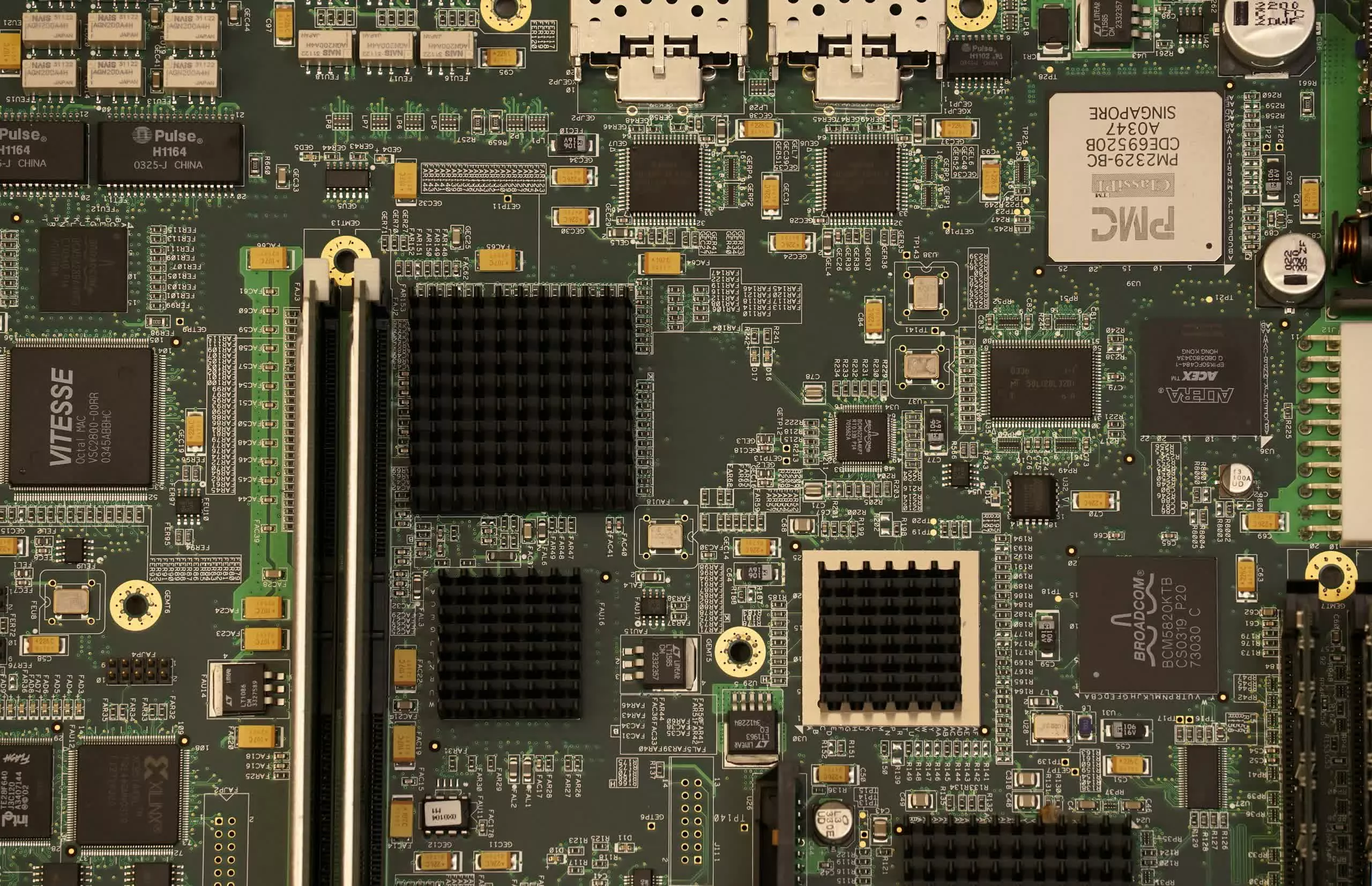
For engineering, sourcing, and product-planning teams reading Electronicseng, the new choke point in consumer hardware is no longer only memory, flash, or accelerator availability. It is the layered interconnect and board infrastructure beneath them. As reported by Nikkei Asia, AI data-center construction is absorbing advanced printed circuit board and copper-clad laminate capacity, so even soft PC demand does not automatically translate into easier component sourcing for ordinary computers, laptops, or other electronics that depend on multilayer boards.
When Shipment Forecasts Fall but Component Access Still Tightens
Board supply has become a live planning question for personal computer makers, including HP and Dell, as they prepare 2027 roadmaps. According to Nikkei Asia, a manager at one U.S. PC company said the firm cannot reliably secure the PCB volume needed for production even though global PC shipments may continue declining next year. That creates an atypical situation: in a normal cycle, weaker demand relieves parts pressure, but here AI infrastructure demand redirects manufacturing resources toward higher-margin server boards.
AI Server Board vs. Consumer Mainboard: Why Capacity Flows to High-End Orders
AI servers host many GPUs, CPUs, memory modules, and high-speed interconnect devices, which makes signal integrity, thermal management, and electrical performance stricter than in a typical desktop or notebook mainboard. The result is not a simple size difference; it is a process, material, and yield difference.
| Comparison point | AI server board | Typical PC mainboard |
|---|---|---|
| Layer structure | Often tens of layers for dense power and high-speed paths | Usually conventional multilayer architecture |
| Material emphasis | Low-loss copper-clad laminate plus special glass fiber | More standard laminate choices |
| Design focus | Signal integrity, heat removal, impedance, and high-current delivery | Cost, integration, and general office or gaming use |
| Capacity impact | Longer machine time and greater material intensity per board | Higher unit volume with lower per-board resource load |
Because one high-end AI server board can consume more machine time and material than several consumer boards, and because AI customers often have stronger procurement capacity and willingness to pay, production slots move from desktop, notebook, and graphics-card PCB work toward data-center customers.
The Upstream Wall: CCL Cost, Queue Times, and Lead-Time Drift
CCL is the starting sheet of PCB manufacturing: glass cloth, resin, and copper foil are pressed into a base laminate, and circuits are then built and layered on it. A Taiwan PC maker told Nikkei Asia that CCL prices are now at least 12 times the July level, though the sample is one firm and not every grade may have moved equally.
A major global CCL supplier's orders are booked through 2030. Even if the supplier expands output to three times current capacity before 2028, the backlog remains large. That shifts the bottleneck from board-maker willingness to invest to material availability itself.
Supplier communications also show lead-time drift. One board maker says delivery for a sizable part of products has doubled. Another says a new order placed now may not ship until the second half of 2028. Some order windows therefore reach 30 months, which collides with PC product-development cycles and can affect 2027 and 2028 launches.
Why Adding Lines Is Slower Than Expected
Capacity growth is not just buying tools or constructing a cleanroom. A credible expansion needs equipment, qualified laminates, process engineers, and operators who understand multilayer lamination, plating, drilling, and test. Reports cited in the supply-chain discussion point to a shortage of experienced PCB and production technical staff; compensation for related technical roles has risen up 20% to 30% as makers compete for talent. That raises expansion cost and can delay stable output even after hardware is installed.
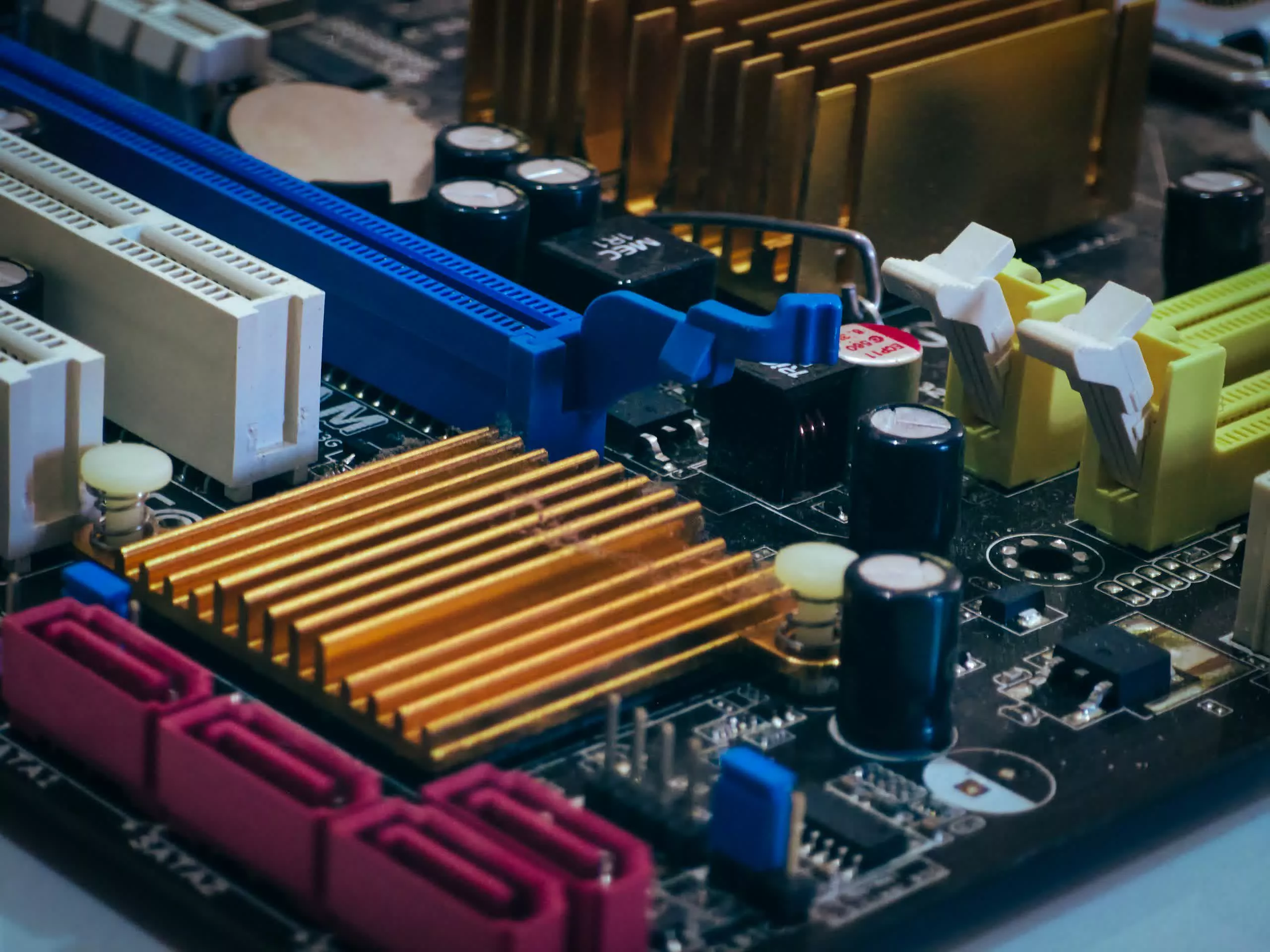
Spillover: Medical Equipment, Graphics Cards, and the Memory Cost Stack
The shortage is not confined to computers. Canon Inc. in Japan said this week that some production has been constrained since August this year because AI-driven demand for boards and related parts has limited supply. Canon estimates that medical-device revenue will fall by about ¥90 billion this year as a result.
The board issue also stacks on a component problem that began earlier. Since 2026, DRAM and NAND flash prices have moved higher, forcing PC vendors to revisit configurations and pricing. Gartner has previously predicted that by 2028 PCs priced below $500 may gradually disappear as memory and other critical parts raise the floor for viable consumer systems.
Graphics cards provide another visible stress point. Some U.S. retail listings for an Nvidia GeForce RTX 5080 are close to $2,000, well above the original manufacturer suggested price. With PCB and CCL now adding cost and delivery risk, the overall bill of materials pressure widens.
Why a Small Cost Share Can Still Halt Assembly
A PCB may not dominate the material cost of a complete PC, but it is a non-substitutable connection platform. Motherboards, graphics cards, and notebook boards route signals and power between chips, memory, regulators, and connectors. If the board is missing, finished-system assembly stalls even when CPU, GPU, and memory are present.
Advanced packaging agreements do not automatically solve ordinary PCB supply
Nvidia has moved to secure advanced packaging and chip-substrate capacity through relationships with specialist substrate makers. Companies named in the supply-chain report include Ibiden, Samsung Electro-Mechanics in South Korea, and Unimicron in Taiwan. Unimicron plans to expand related capacity by 2.5 times within the next three years. Still, chip packaging substrate and standard PCB technology are related but not fully interchangeable. Competition for high-end substrate capacity can intensify resource use across the broader board chain.
Common Misreadings That Can Distort 2027 Product Plans
- Softer PC demand equals cheaper sourcing. This ignores capacity reallocation: AI server orders can occupy the same lamination, drilling, and test resources that would otherwise serve consumer boards.
- Board costs are a minor BOM line. In percentage terms they may be modest, but boards are structural components; a missing board is not an optional line item.
- New CCL volume will normalize prices quickly. Even plans to triple output before 2028 still leave 2027 in a tight window because qualification, tooling, materials, and labor take time.
- Advanced substrate capacity can be redeployed freely. Packaging substrates and PCB share materials knowledge, but product specs, process windows, and customer requirements are not identical.
Selection and Sourcing Checklist for Hardware Teams
- Treat CCL grade, layer count, and signal-loss requirements as early-stage selection constraints, not late-stage vendor questions.
- Ask board and material suppliers for product-specific lead-time ranges, not a single aggregate quote, because the reported 30-month exposure may apply unevenly.
- Validate whether a proposed low-loss laminate has an engineering-qualified alternative with the same reliability, thermal, and impedance envelope.
- Model 2027 and 2028 gross margin with simultaneous memory, SSD, GPU, and PCB cost pressure rather than isolated part scenarios.
- Plan launch sequencing around constrained high-layer boards, because a small board shortage can idle otherwise complete subassemblies.
FAQ: What Engineers Should Take Away From the Board Crunch
Why does AI server growth affect consumer PCs?
AI servers require multilayer boards using low-loss copper-clad laminate and special glass fiber. These processes consume the same upstream materials and high-end production capacity that also support PC and graphics-card boards. The demand change is therefore not confined to the server market.
How large is the price signal?
One data point cited by Nikkei Asia is a Taiwan PC maker saying CCL prices are at least 12 times July levels. That should be read as a directional warning, not proof that all board grades have moved by the same amount.
Can capacity expansion relieve the shortage by 2028?
Expansion plans are meaningful, including supplier goals to reach three times output before 2028, but 2027 and even parts of 2028 remain exposed because orders stretch to 2030 and lead times can reach 30 months.
Bottom Line for Electronicseng Readers
The current cycle shows that AI infrastructure competition is not only a battle for cutting-edge GPUs, HBM, or the most advanced wafer nodes. It is also a race for foundational electronic manufacturing inputs such as layered boards and laminates. For consumer electronics planning through 2027, the practical lesson is that demand weakness does not guarantee supply ease when high-margin AI work redirects the same capacity. Teams should build product roadmaps that account for board cost, delivery, and material qualification risk rather than assuming ordinary PCs will return to a normal parts cycle.