
NVIDIA’s 8-Layer HBM4 Pivot: Inside the Rubin, Samsung, and SK Hynix Trade-Off Between Yield, Heat, and Scale
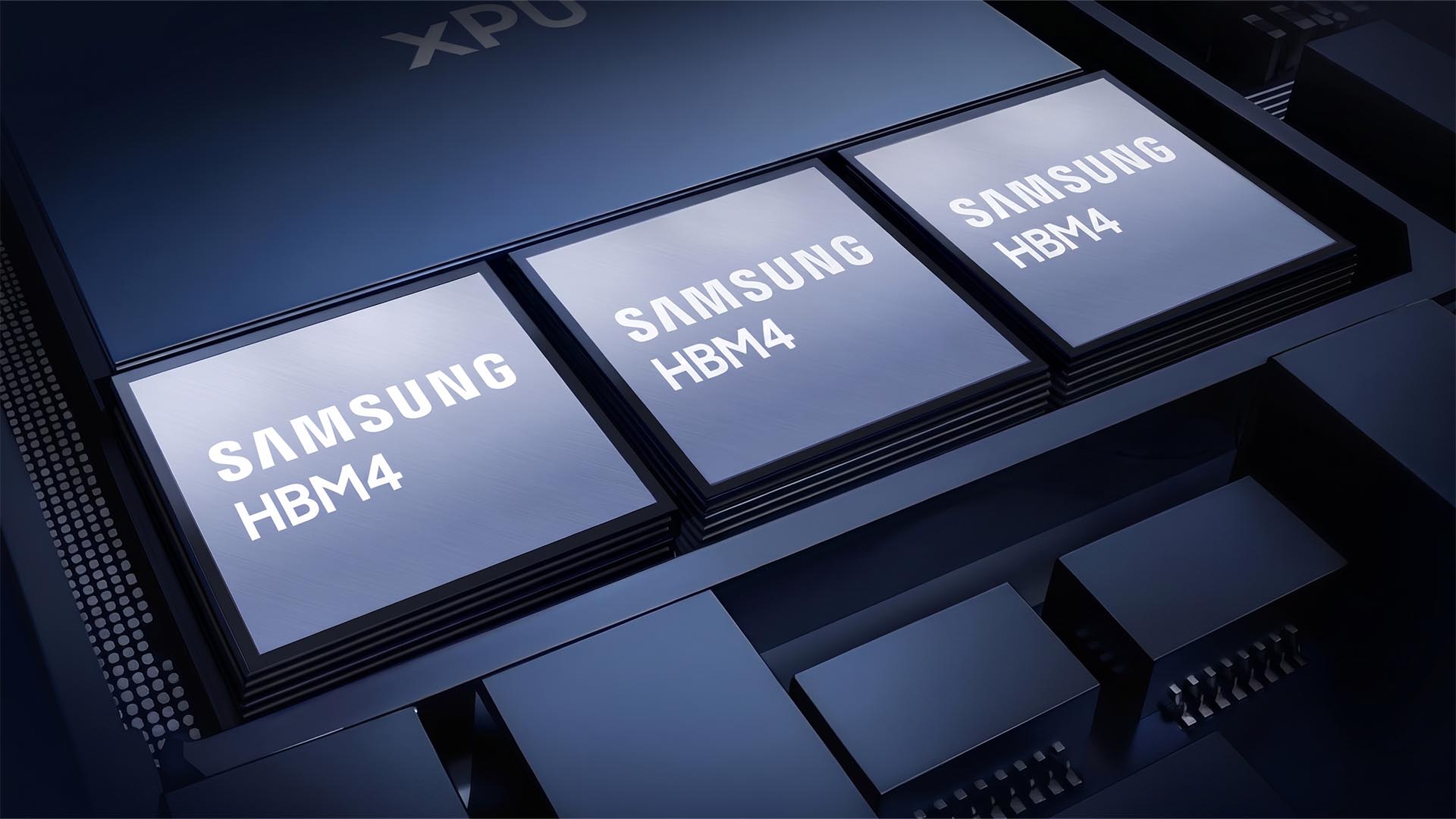
The reported change is not a simple downgrade story. During the third quarter of 2026, NVIDIA is said to have opened talks with Samsung and SK Hynix about giving future products more of a role for 8-layer HBM4, a configuration that may be easier to manufacture and cool than taller stacks. The discussion matters to Electronicseng readers because it changes how AI accelerator designers should weigh memory capacity, thermal limits, certification status, and supply risk when they evaluate Rubin-series systems.
Why the Rubin Memory Stack Became a Manufacturing Question
Market expectations had centered on Rubin products using more advanced 12-layer HBM4 or HBM4E memory. Supply-chain reality pushed a different evaluation. When a DRAM stack grows by one layer, thermal resistance increases, heat removal becomes harder, wafer-bonding defect probability rises, and overall yield is reduced. In that context, 8-layer HBM4 is less about rejecting high capacity and more about choosing a stack height that production lines can deliver with fewer process complications.
8-Layer HBM4: A Capacity Compromise With Production Advantages
- 8-layer stacking is reported to be easier to cool than taller stacks.
- Adding one layer increases thermal resistance and manufacturing difficulty.
- Wafer-bonding defect concerns become more serious as layer counts rise.
- Single-stack capacity is the compromise; the advantage sits in cost, production capacity, and stability.
12-Layer HBM4 Still Has a Role
12-layer HBM4 has not been withdrawn. Samsung and SK Hynix are reported to remain in mass production of 12-layer HBM4 products, and those products have obtained NVIDIA certification. The outlook described is that, in the coming years, 12-layer HBM4 will continue to occupy an important part of the high-end HBM market. The change is in mix rather than disappearance: from mid-2027, 8-layer versions are expected to take a significantly larger share.
Certification Path and the 8-Layer HBM4E Option
Information attributed to South Korean media says Samsung and SK Hynix still need independent certification for 8-layer HBM4. The companies are preparing related components, materials, and quality verification workflows. Because the 8-layer solution has lower technical complexity than the 12-layer solution, industry observers see the later certification as relatively less difficult and unlikely to create major delays.
NVIDIA is not evaluating 8-layer HBM4 only. An 8-layer HBM4E option is also under consideration. The final choice for Rubin Ultra and its NVL rack-level system depends on design requirements, supply capability, and the overall cost structure.
Rubin Ultra Design Adjustment: From Larger Chiplet Plans to Dual-Chip Design
Rubin Ultra itself is reported to have changed direction. Earlier expectations pointed toward a more aggressive large-scale chiplet architecture, but supply-chain pressure led NVIDIA to reduce some of the planned complexity. The product is now described as using a dual-chip design, a change intended to lower manufacturing risk while keeping production timing on track.
Flagship Platform Context
Rubin and Rubin Ultra are positioned as the next-generation AI computing platforms scheduled for 2027, intended to succeed Blackwell series as NVIDIA flagship products. The partial move from 12-layer HBM4 toward 8-layer HBM4 therefore signals a broader industry transition: parameter maximization and stack-height competition are being balanced against yield, thermal control, and stable supply.
Reported Data Points Used in This Variant
- Talk period: third quarter of 2026.
- Companies: NVIDIA, Samsung, SK Hynix.
- Memory configurations: 8-layer HBM4, 12-layer HBM4, HBM4E, and 8-layer HBM4E.
- Platform terms: Rubin, Rubin Ultra, NVL rack-level system, and Blackwell series.
- Timeline markers: mid-2027 for rising share of 8-layer versions, and 2027 for Rubin and Rubin Ultra platforms.
- Source context: reported industry information and South Korean media disclosure.
Comparison: 8-Layer HBM4 and 12-Layer HBM4 in the Rubin Discussion
| Dimension | 8-Layer HBM4 | 12-Layer HBM4 |
|---|---|---|
| Layer count | 8 layers | 12 layers |
| Thermal effect | Easier cooling is the reported advantage | Each added one layer raises thermal resistance |
| Manufacturing effect | Lower complexity than the 12-layer solution | Higher defect probability and yield pressure are reported |
| Capacity position | Single-stack capacity is treated as a compromise | Associated with the higher-stack direction that 8 layers compromise |
| Certification and supply status | Under evaluation; independent certification is still pending | In mass production and NVIDIA certified |
| Market outlook | Share may rise significantly from mid-2027 | Expected to remain important in the high-end HBM market in the coming years |
Common Misconceptions
- The move to 8-layer HBM4 means 12-layer HBM4 failed: not supported. The reported 12-layer HBM4 products are in mass production and have NVIDIA certification.
- Lower stack height removes the need for certification: not supported. 8-layer HBM4 still requires independent certification for Samsung and SK Hynix.
- Only 8-layer HBM4 is being considered: not supported. 8-layer HBM4E is also under evaluation for Rubin Ultra and NVL rack-level system choices.
Action Recommendations for Engineering and Supply Chain Teams
- Treat stack height as a thermal, yield, and manufacturing variable, not only as a memory-capacity variable.
- Track independent certification status for 8-layer HBM4 before finalizing Rubin-family memory assumptions.
- Compare 8-layer HBM4 and 8-layer HBM4E against design, supply, and cost constraints.
- Plan for a mixed 8-layer and 12-layer market from mid-2027 instead of assuming one configuration dominates.
- Read the Rubin Ultra shift to dual-chip design as a risk-control adjustment aimed at production timing.
- Inform procurement reviews that 12-layer HBM4 products remain certified and mass-produced while 8-layer versions are expected to gain share.
FAQ
Why would NVIDIA consider less than 12-layer HBM4 for Rubin?
Because each additional layer increases thermal resistance, cooling difficulty, wafer-bonding defect probability, and yield loss. The 8-layer stack is reported as an easier-to-manufacture and easier-to-cool compromise.
Does this mean 12-layer HBM4 is being dropped?
No. Samsung and SK Hynix are described as mass-producing 12-layer HBM4 products, and those products have NVIDIA certification. 12-layer HBM4 is expected to remain important in the high-end market in the coming years.
What is still missing for 8-layer HBM4?
Independent certification for Samsung and SK Hynix. The companies are preparing components, materials, and quality verification processes.
Is only HBM4 in question?
No. 8-layer HBM4E is also being evaluated. Final Rubin Ultra and NVL rack-level system choices depend on design requirements, supply capability, and overall cost structure.
Closing View: The Stack Height Is Now a System Signal
The most useful takeaway is that HBM selection is becoming a systems-level decision. A taller stack may satisfy capacity objectives, but the reported Rubin discussion shows that a lower stack can be favored when it improves cooling, bonding yield, certification pace, and supply predictability. For Electronicseng’s semiconductor audience, the practical conclusion is to follow the 8-layer versus 12-layer mix not as a contest of specifications, but as a signal of where AI accelerator manufacturing constraints are moving next.