
Electronicseng Semiconductors: Samsung Electronics Q3 2026 Shows the AI Memory Cycle’s Reach
Read this release as a price-driver map, not only a company scoreboard
If your role covers semiconductor cost exposure, the earnings file issued today by Samsung Electronics is best read as a price-driver map. It ties artificial-intelligence demand to memory pricing, chip profitability, and the recent elevated prices seen in memory and solid-state storage. The release covers the third quarter of 2026, for the period ended September 30, 2026, and identifies the company with KRX code 005930.
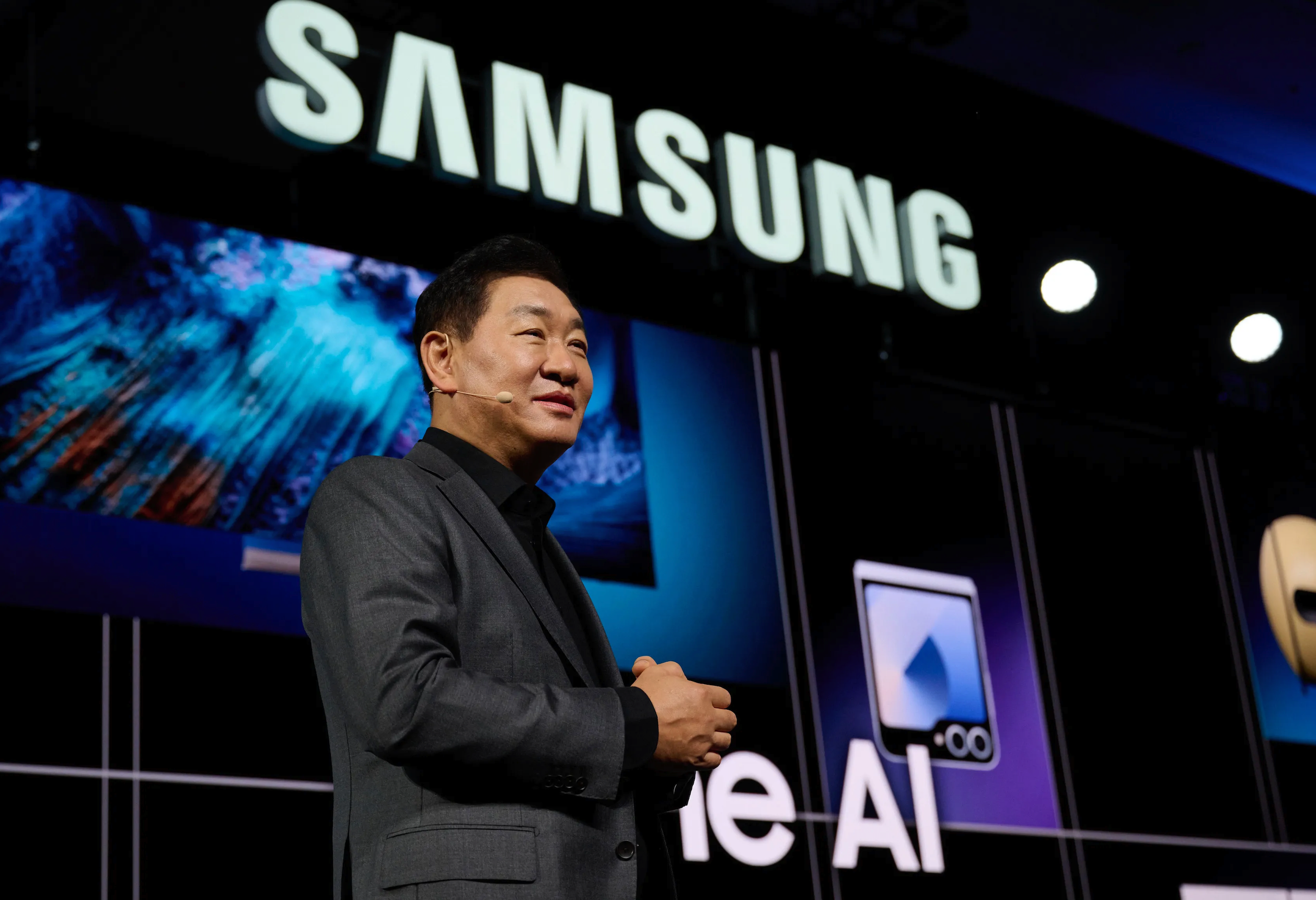
Samsung Electronics
Core figures: the AI storage supercycle moves onto the income statement
The reported comparison shows the cycle’s magnitude. Revenue was W195.25 trillion (about $145.6 billion) in the third quarter, versus W86.06 trillion in the same period a year earlier, an increase of 126.88%. Net profit attributable to Samsung parent company shareholders reached W75.21 trillion (about $56.1 billion), compared with W12 trillion, an increase of 526.39%. In plain terms, the quarter reflected revenue doubled and net profit more than sixfold relative to the prior-year result.
| Metric | Same period a year earlier | Third quarter of 2026 | Change |
|---|---|---|---|
| Revenue | W86.06 trillion | W195.25 trillion (about $145.6 billion) | 126.88% higher |
| Net profit attributable to Samsung parent company shareholders | W12 trillion | W75.21 trillion (about $56.1 billion) | 526.39% higher |
Why the growth is not only an accounting story
Over the past year, large-model training and inference demand continued to lift HBM and DRAM prices. Inventory clearance, combined with the price effect, pushed the gross margin of Samsung’s chip business higher. A result of this scale is not routine: in recent years, a jump of this size has been uncommon in Samsung’s financial reports, while the company has benefited for several consecutive quarters from the AI storage chip supercycle.
A second comparison makes the step change clearer. In the prior-year quarter, net profit was still less than $10 billion; one year later, the single-quarter profit was more than 6 times that level.
What market analysis infers from the result
Market analysis cited around the earnings release suggests that, as long as AI compute expansion continues, the storage pricing cycle remains in the middle stage rather than its end point. If that condition holds, Samsung’s high growth could continue, and upstream profitability would keep influencing the cost environment for memory and solid-state storage.
Domestic-market reading: why consumer pricing pressure persists
For the domestic market, the earnings release explains the upstream side of recent high prices for memory and solid-state storage. When manufacturers earn substantially more, the cost transmission toward consumer-market buyers becomes a timing question, not a question of whether the channel can respond. For engineering and procurement teams, that matters because component cost assumptions, board design iterations, and inventory planning often react later than price changes.
Checklist: what semiconductor readers should extract
- Treat today’s report as evidence of AI-linked demand transmission, not a standalone corporate update.
- Trace the pricing path from large-model training and inference demand to HBM and DRAM price movement.
- Use the revenue and profit comparison to calibrate the strength of the AI storage chip supercycle.
- Watch inventory clearance and gross margin recovery as the bridge between demand and profitability.
- Connect upstream profit growth to downstream pressure in memory and solid-state storage categories.
- Keep the domestic market context visible when evaluating the timing of cost transmission.
Common misconceptions around the earnings headline
Misconception 1: This is only a Samsung story
The reporting entity is Samsung Electronics, and the KRX 005930 ticker is the identifier attached to it. The mechanism described in the release, however, is broader: AI demand lifts HBM and DRAM prices, and that price movement is a semiconductor supply-chain condition.
Misconception 2: Profits alone prove immediate consumer price increases
The source says cost transmission is a timing question. It does not say that every downstream price changes at once; the report is an upstream signal that later affects memory and solid-state storage buyers.
Misconception 3: A strong quarter confirms the cycle is already finished
The source points to continued AI compute expansion as a condition that may keep the storage pricing cycle in the middle stage, not beyond it.
Action recommendations for engineering, procurement and planning teams
- Recalibrate memory and solid-state storage cost assumptions against the reported HBM and DRAM price movement.
- Add the quarterly upstream profitability comparison to supplier-review packs, including revenue from W86.06 trillion to W195.25 trillion (about $145.6 billion) and profit from W12 trillion to W75.21 trillion (about $56.1 billion).
- Monitor inventory clearance, chip gross margin recovery, and AI compute expansion as leading signals for whether the storage cycle remains mid-course.
- Review domestic procurement schedules with the timing of cost transmission, rather than relying only on current retail prices.
- Document the KRX 005930 earnings comparison as a traceable data point when debating component-cost risk.
Data citation: the anchor figures used in this analysis
All monetary and percentage figures above are taken from the Samsung Electronics earnings release for the third quarter of 2026, with the period ended September 30, 2026, and the KRX code 005930 identifier. The cited comparisons are the same period a year earlier versus the third quarter, covering revenue and net profit attributable to Samsung parent company shareholders.
FAQ
What exactly did Samsung Electronics report for the third quarter of 2026?
It reported revenue of W195.25 trillion (about $145.6 billion) for the third quarter, versus W86.06 trillion in the same period a year earlier, for a 126.88% increase. Net profit attributable to Samsung parent company shareholders was W75.21 trillion (about $56.1 billion), versus W12 trillion, for a 526.39% increase.
Why are HBM and DRAM central to this result?
The release attributes the cycle to large-model training and inference demand lifting HBM and DRAM prices over the past year, with inventory clearance and pricing effects improving chip gross margin.
Does the report explain the recent high prices of memory and solid-state storage?
It provides an upstream explanation: strong profitability and AI-driven storage demand raise the likelihood that cost pressure will move through the channel over time, particularly in the domestic market.
What is the main uncertainty?
Market analysis links continuation of high growth to AI compute expansion. If that expansion continues, the storage pricing cycle may remain in the middle stage.
Closing note: use the numbers as a planning input
For Electronicseng Semiconductors readers, the useful takeaway is a chain of evidence: Samsung Electronics reported a sharp third-quarter step-up, the driver is an AI-linked storage cycle, and the consequence is sustained pressure in memory and solid-state storage costs. The quarter ended September 30, 2026, and the figures should enter technical and procurement reviews as dated market signals, not as a generic news item.