
Electronicseng Semiconductors: HBM Demand, AI Infrastructure and Packaging Tightness Through 2030
Generative AI, large language models and AI data-center build-outs have turned high bandwidth memory into one of the tightest nodes in the semiconductor value chain. In the Electronicseng Semiconductors reading, the signal from SK hynix is not merely a demand headline. It is a reminder that advanced memory now sits at the intersection of process engineering, packaging capacity and infrastructure timing, and that the reviewed article treats the expansion path as slower than many market observers assume.
For hardware engineers, supply managers and analysts, the core planning point is that announced production capability is not the same thing as deliverable qualified supply. HBM is tied to AI accelerators, premium DRAM is tied to high-performance compute platforms, and both are constrained by the same industrial realities: difficult processes, limited packaging expansion speed, long construction cycles and a constrained pool of specialists.
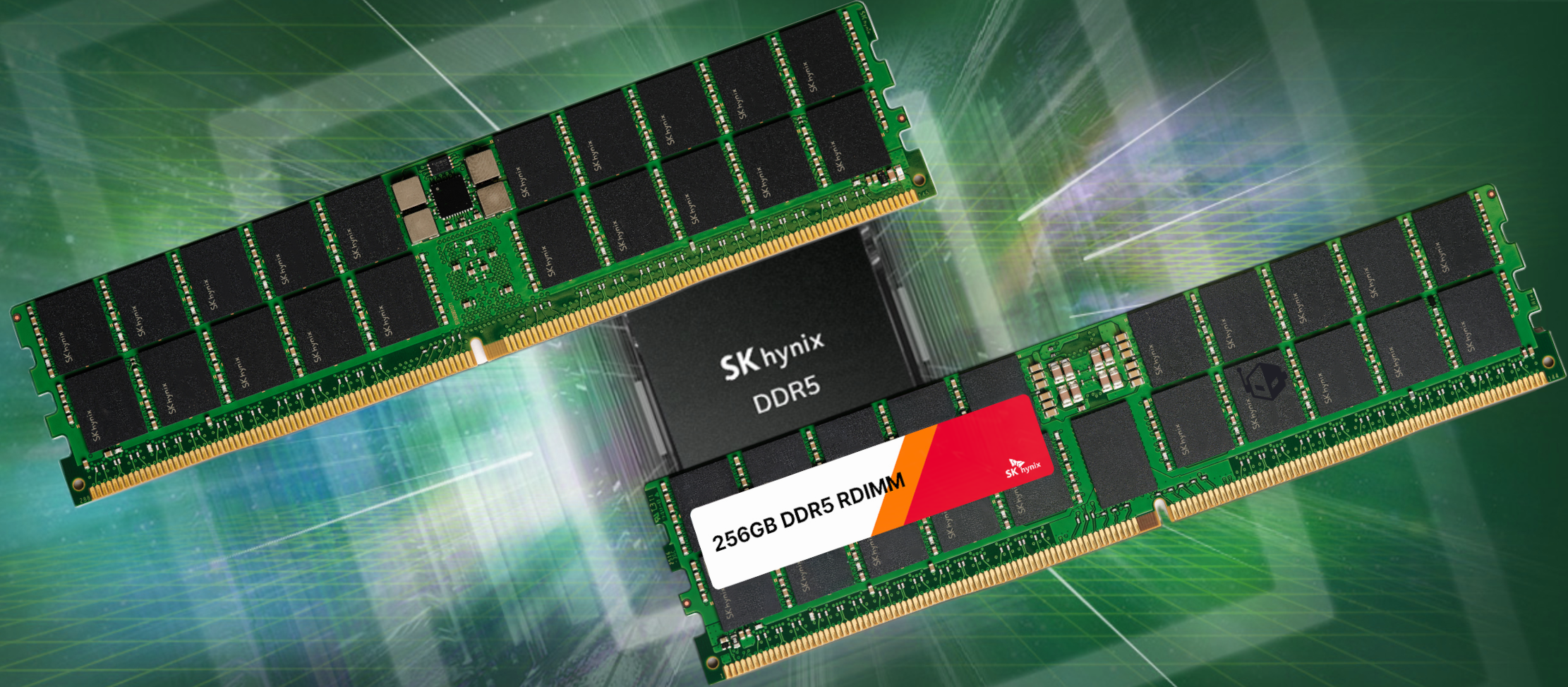
Why the HBM Signal Is Not a Normal Memory Cycle
Memory industries have always experienced cycles, but the reviewed article gives HBM a different character. The problem is not simply that buyers want more units. The problem is that the product class requires a more demanding manufacturing path, and the bottleneck moves beyond the wafer fab into packaging, equipment access, line construction and workforce readiness.
SK hynix says new production facilities and expanded advanced-packaging capability are moving forward, yet the source still cautions that memory supply expansion cannot be completed quickly. This is the key distinction: conventional capacity additions may be measured mainly in output per line, while HBM capacity additions must also clear several non-linear readiness gates before they translate into stable shipments.
Constraints shaping HBM ramp
- Process requirements: HBM products demand tighter manufacturing control than ordinary DRAM.
- Advanced packaging: packaging capacity must be expanded before HBM shipments can scale.
- Equipment and construction lead time: new lines and facilities take time to become productive.
- Talent availability: engineering and operations expertise constrain ramp speed.
- Interdependency: wafer capacity alone does not guarantee finished high-bandwidth memory supply.
For semiconductor readers, that means supply-side commentary should be read as a chain, not a single number. A factory announcement is one link. Packaging equipment is another link. Skilled process and operations teams are another. Only when all links align does capacity become usable output.
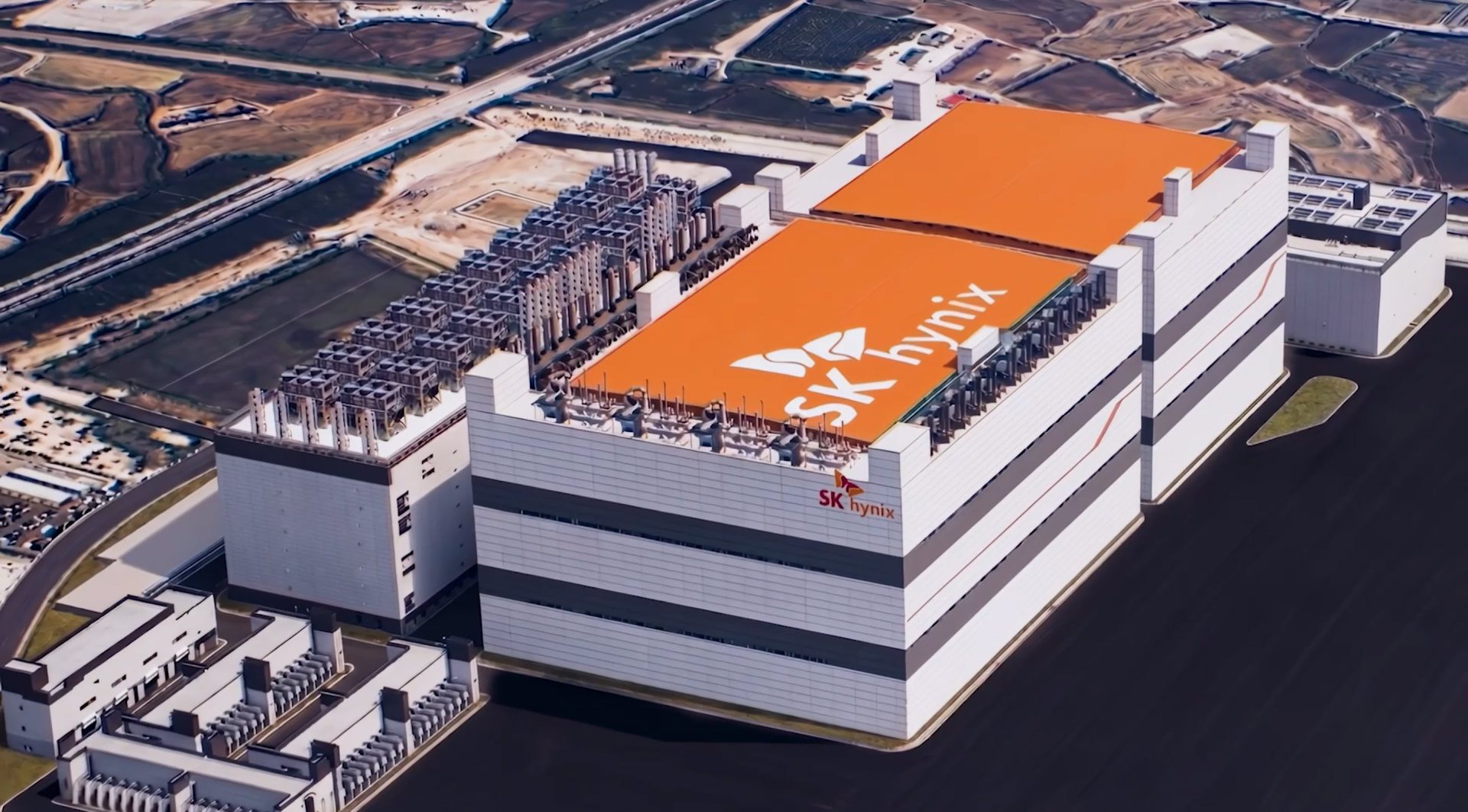
The 2030 Horizon: AI Infrastructure Still Expanding
SK hynix expects AI infrastructure investment to remain fast before 2030. The demand source is broad: large technology companies, cloud providers and sovereign AI programs continue to purchase high-performance compute platforms. Compared with traditional servers, these platforms consume more HBM and high-end DRAM, which means AI capacity growth does not stop at the accelerator die. It propagates into memory, packaging and the supply chain that supports both.
For engineering teams, the planning implication is to treat 2030 as a horizon in which high-performance memory may remain strategically tight rather than broadly commoditized. If platform builders assume abundant memory access while supplier capacity remains limited by packaging and process readiness, product roadmaps can become exposed to allocation pressure, longer lead times and more competitive sourcing conditions.
Signal interpretation for platform designers
- AI accelerators carry more HBM capacity as model sizes grow.
- Higher memory content per GPU links compute planning more directly to memory supply.
- Premium DRAM tightness travels with HBM tightness in high-performance platforms.
- Advanced packaging and premium memory capacity become linked constraints in AI infrastructure.
HBM3, HBM3E, HBM4 and the Memory Content Curve
The source notes that each AI accelerator memory requirement rises as models scale, and it lists HBM3, HBM3E, HBM4 and later products as part of the progression. The supply-chain lesson is not simply that each device contains more memory. It is that new generations arrive alongside process complexity and packaging complexity, so the speed at which a generation moves from announcement to volume availability is not automatic.
A platform roadmap that assumes immediate volume availability of next-generation HBM may underestimate schedule risk. In a market where AI models keep increasing memory needs, the transition path becomes a multi-step problem: the accelerator architecture changes, the memory content per package rises, and the supporting packaging base must expand at the same time.
| Memory or packaging element | Why it matters in AI systems | Planning question raised by the source |
|---|---|---|
| HBM | Bandwidth memory resource for AI accelerators. | Can packaging and process constraints keep pace with per-GPU demand? |
| High-end DRAM | High-performance compute platforms use it more intensively than traditional servers. | Will premium DRAM remain tight alongside HBM? |
| Advanced packaging | Required to expand HBM and related high-performance memory capacity. | Is packaging capacity the hidden rate limiter? |
| HBM3 to HBM4 transition | The generation path shows rising memory needs from model scaling. | Are schedules robust to production ramp and readiness? |
Cited Supply-Chain Signal
According to the article summary, SK hynix expects AI infrastructure investment to remain fast before 2030, while HBM, high-end DRAM and related packaging capacity may continue to be tight. The company is increasing supply through packaging line expansion, new chip factories and efficiency improvements, but the source states that catching demand remains a major challenge even when major manufacturers increase investment.
That wording matters. The outlook is not framed as a temporary mismatch that will resolve as soon as one company opens one line. It is framed as a broader structural pressure: demand is strong, the product class is difficult, and the expansion levers are long-lead-time items rather than quick switches.
Common Misreadings of the HBM Outlook
- Announced investment equals near-term supply: the source emphasizes construction, equipment, process and talent lead times.
- AI demand is only a GPU problem: HBM, high-end DRAM and packaging are also constrained.
- 2030 is a hard cliff: the article describes continued high-speed infrastructure growth before 2030, not a sudden resolution of shortages.
- Leading suppliers automatically protect all customers: SK hynix remains a leader and an NVIDIA partner, but the source still warns of competition for advanced memory.
- Capacity expansion is only a finance story: the article shows that manufacturing execution and workforce readiness are equally central.
FAQ
Why is HBM more supply-constrained than ordinary memory?
Because the source attributes slower capacity release to higher process requirements plus packaging equipment, production-line construction cycles and talent constraints, rather than only demand volume.
Does the 2030 forecast mean shortages end after 2030?
No. The article says AI infrastructure remains fast before 2030 and that HBM, premium DRAM and related packaging capacity may remain tight; it does not promise post-2030 abundance.
Why is NVIDIA mentioned in the SK hynix context?
The source notes SK hynix is an important partner for AI chip vendors such as NVIDIA, indicating the leading-edge accelerator ecosystem depends on advanced memory supply.
Is packaging capacity as important as wafer capacity?
In this HBM context, the article treats packaging as a central expansion constraint. New capacity cannot be judged only by chip factories, because HBM output also depends on advanced-packaging capability.
Should buyers expect immediate relief from investment announcements?
Not necessarily. The reviewed outlook is that investment is rising, but supply still faces long-lead-time process, equipment, construction and talent constraints before it can catch up with demand.
Action Recommendations for Electronicseng Readers
- For system architects: build memory availability scenarios into AI accelerator roadmaps, using HBM, high-end DRAM and packaging as linked constraints.
- For platform planning teams: assume that higher per-GPU HBM content changes sourcing difficulty, not just bill-of-materials cost.
- For procurement teams: separate announced investment from qualified capacity, especially for HBM generations and advanced packaging.
- For project managers: treat construction, equipment, process and talent as schedule risks, and align validation timelines with production ramp readiness.
- For analysts: monitor whether sovereign AI, cloud and enterprise compute demand can be met by packaging capacity and memory capacity, not only by chip-factory announcements.
- For semiconductor investors and strategists: read tightness as a chain problem involving HBM, premium DRAM and packaging, rather than a single-product shortage.
The central takeaway for semiconductor buyers is that AI memory tightness is structural: strong demand, process complexity, packaging tooling and workforce lead times can keep HBM and related capacity constrained even when suppliers expand. As the SK hynix outlook indicates, the industry may be navigating a long phase in which compute growth is limited as much by memory and packaging execution as by accelerator design.